
Veterans Day 2025: Stories of Women in the Armed Forces
In honor of Veterans Day, Syracuse University Libraries highlights the history of women in the U.S. military, from the nurses of the Civil War to the over 200,000 women currently serving across the armed forces today. The display features five memoirs from women who have served in the military, along with a timeline of major events in women's military history. Further reading, as well as an extended timeline, can be found in this Research Guide.
 Unbecoming
by
A raw, unflinching memoir by a former US Marine Captain chronicling her journey from dutiful daughter of immigrants to radical activist effecting historic policy reform. After a lifetime of buckling to the demands of her strict Indian parents, Anuradha Bhagwati abandons grad school in the Ivy League to join the Marines--the fiercest, most violent, most masculine branch of the military--determined to prove herself there in ways she couldn't before. Yet once training begins, Anuradha's G.I. Jane fantasy is punctured. As a bisexual woman of color in the military, she faces underestimation at every stage, confronting misogyny, racism, sexual violence, and astonishing injustice perpetrated by those in power. Pushing herself beyond her limits, she also wrestles with what drove her to pursue such punishment in the first place. Once her service concludes in 2004, Anuradha courageously vows to take to task the very leaders and traditions that cast such a dark cloud over her time in the Marines. Her efforts result in historic change, including the lifting of the ban on women from pursuing combat roles in the military. A tale of heroic resilience grappling with the timely question of what, exactly, America stands for, Unbecoming is about one woman who learned to believe in herself in spite of everything. It is the kind of story that will light a fire beneath you, and inspire the next generation of indomitable female heroes.
Unbecoming
by
A raw, unflinching memoir by a former US Marine Captain chronicling her journey from dutiful daughter of immigrants to radical activist effecting historic policy reform. After a lifetime of buckling to the demands of her strict Indian parents, Anuradha Bhagwati abandons grad school in the Ivy League to join the Marines--the fiercest, most violent, most masculine branch of the military--determined to prove herself there in ways she couldn't before. Yet once training begins, Anuradha's G.I. Jane fantasy is punctured. As a bisexual woman of color in the military, she faces underestimation at every stage, confronting misogyny, racism, sexual violence, and astonishing injustice perpetrated by those in power. Pushing herself beyond her limits, she also wrestles with what drove her to pursue such punishment in the first place. Once her service concludes in 2004, Anuradha courageously vows to take to task the very leaders and traditions that cast such a dark cloud over her time in the Marines. Her efforts result in historic change, including the lifting of the ban on women from pursuing combat roles in the military. A tale of heroic resilience grappling with the timely question of what, exactly, America stands for, Unbecoming is about one woman who learned to believe in herself in spite of everything. It is the kind of story that will light a fire beneath you, and inspire the next generation of indomitable female heroes.
 A Soldier's Life: A Black Woman's Rise from Army Brat to Six Triple Eight Champion
by
One woman's extraordinary personal journey in the US military and her triumphant effort to honor her predecessors with the Congressional Gold Medal Looking back on her remarkable career, Retired Army Colonel Edna W. Cummings can justly say that "the odds ain't good, but good stuff happens." Her story is as inspiring as it is improbable, but her memoir is about much more than herself. Chronicling Cummings's unlikely but successful path to leadership roles in the army and afterward, it also tells the story of the 6888th Central Postal Directory Battalion, known as the Six Triple Eight--a trailblazing African American World War II Women's Army Corps unit now the subject of a Netflix film and a Broadway-bound musical--and the grassroots campaign Cummings led to honor them. In 2022, due in large part to Cummings's efforts, the Six Triple Eight was awarded the nation's highest civilian honor--the Congressional Gold Medal. Among the fewer than two hundred recipients, including the crew of Apollo 11 and the Navajo Code Talkers, the Six Triple Eight is the only women's unit to receive this prestigious decoration. In A Soldier's Life Colonel Cummings narrates her path from childhood to advocate and how she overcame incredible odds not only for herself but on behalf of those who had come before her.
A Soldier's Life: A Black Woman's Rise from Army Brat to Six Triple Eight Champion
by
One woman's extraordinary personal journey in the US military and her triumphant effort to honor her predecessors with the Congressional Gold Medal Looking back on her remarkable career, Retired Army Colonel Edna W. Cummings can justly say that "the odds ain't good, but good stuff happens." Her story is as inspiring as it is improbable, but her memoir is about much more than herself. Chronicling Cummings's unlikely but successful path to leadership roles in the army and afterward, it also tells the story of the 6888th Central Postal Directory Battalion, known as the Six Triple Eight--a trailblazing African American World War II Women's Army Corps unit now the subject of a Netflix film and a Broadway-bound musical--and the grassroots campaign Cummings led to honor them. In 2022, due in large part to Cummings's efforts, the Six Triple Eight was awarded the nation's highest civilian honor--the Congressional Gold Medal. Among the fewer than two hundred recipients, including the crew of Apollo 11 and the Navajo Code Talkers, the Six Triple Eight is the only women's unit to receive this prestigious decoration. In A Soldier's Life Colonel Cummings narrates her path from childhood to advocate and how she overcame incredible odds not only for herself but on behalf of those who had come before her.
 Through the Glass Ceiling to the Stars
by
The long-awaited memoir of a trailblazer and role model who is telling her story for the first time. Eileen Collins was an aviation pioneer her entire career, from her crowning achievements as the first woman to command an American space mission as well as the first to pilot the space shuttle to her early years as one of the Air Force's first female pilots. She was in the first class of women to earn pilot's wings at Vance Air Force Base and was their first female instructor pilot. She was only the second woman pilot admitted to the Air Force's elite Test Pilot Program at Edwards Air Force Base. NASA had such confidence in her skills as a leader and pilot that she was entrusted to command the first shuttle mission after the Columbia disaster, returning the US to spaceflight after a two-year hiatus. Since retiring from the Air Force and NASA, she has served on numerous corporate boards and is an inspirational speaker about space exploration and leadership. Eileen Collins is among the most recognized and admired women in the world, yet this is the first time she has told her story in a book. It is a story not only of achievement and overcoming obstacles but of profound personal transformation. The shy, quiet child of an alcoholic father and struggling single mother, who grew up in modest circumstances and was an unremarkable student, she had few prospects when she graduated from high school, but she changed her life to pursue her secret dream of becoming an astronaut. She shares her leadership and life lessons throughout the book with the aim of inspiring and passing on her legacy to a new generation.
Through the Glass Ceiling to the Stars
by
The long-awaited memoir of a trailblazer and role model who is telling her story for the first time. Eileen Collins was an aviation pioneer her entire career, from her crowning achievements as the first woman to command an American space mission as well as the first to pilot the space shuttle to her early years as one of the Air Force's first female pilots. She was in the first class of women to earn pilot's wings at Vance Air Force Base and was their first female instructor pilot. She was only the second woman pilot admitted to the Air Force's elite Test Pilot Program at Edwards Air Force Base. NASA had such confidence in her skills as a leader and pilot that she was entrusted to command the first shuttle mission after the Columbia disaster, returning the US to spaceflight after a two-year hiatus. Since retiring from the Air Force and NASA, she has served on numerous corporate boards and is an inspirational speaker about space exploration and leadership. Eileen Collins is among the most recognized and admired women in the world, yet this is the first time she has told her story in a book. It is a story not only of achievement and overcoming obstacles but of profound personal transformation. The shy, quiet child of an alcoholic father and struggling single mother, who grew up in modest circumstances and was an unremarkable student, she had few prospects when she graduated from high school, but she changed her life to pursue her secret dream of becoming an astronaut. She shares her leadership and life lessons throughout the book with the aim of inspiring and passing on her legacy to a new generation.
 Soldier Girls: The Battles of Three Women at Home and at War
by
From an award-winning, "meticulously observant" (The New Yorker), and "masterful" (Booklist) writer comes a groundbreaking account of three women deployed to Afghanistan and Iraq, and how their military service affected their friendship, their personal lives, and their families. America has been continuously at war since the fall of 2001. This has been a matter of bitter political debate, of course, but what is uncontestable is that a sizeable percentage of American soldiers sent overseas in this era have been women. The experience in the American military is, it's safe to say, quite different from that of men. Surrounded and far outnumbered by men, imbedded in a male culture, looked upon as both alien and desirable, women have experiences of special interest. In Soldier Girls, Helen Thorpe follows the lives of three women over twelve years on their paths to the military, overseas to combat, and back home...and then overseas again for two of them. These women, who are quite different in every way, become friends, and we watch their interaction and also what happens when they are separated. We see their families, their lovers, their spouses, their children. We see them work extremely hard, deal with the attentions of men on base and in war zones, and struggle to stay connected to their families back home. We see some of them drink too much, have illicit affairs, and react to the deaths of fellow soldiers. And we see what happens to one of them when the truck she is driving hits an explosive in the road, blowing it up. She survives, but her life may never be the same again. Deeply reported, beautifully written, and powerfully moving, Soldier Girls is truly groundbreaking.
Soldier Girls: The Battles of Three Women at Home and at War
by
From an award-winning, "meticulously observant" (The New Yorker), and "masterful" (Booklist) writer comes a groundbreaking account of three women deployed to Afghanistan and Iraq, and how their military service affected their friendship, their personal lives, and their families. America has been continuously at war since the fall of 2001. This has been a matter of bitter political debate, of course, but what is uncontestable is that a sizeable percentage of American soldiers sent overseas in this era have been women. The experience in the American military is, it's safe to say, quite different from that of men. Surrounded and far outnumbered by men, imbedded in a male culture, looked upon as both alien and desirable, women have experiences of special interest. In Soldier Girls, Helen Thorpe follows the lives of three women over twelve years on their paths to the military, overseas to combat, and back home...and then overseas again for two of them. These women, who are quite different in every way, become friends, and we watch their interaction and also what happens when they are separated. We see their families, their lovers, their spouses, their children. We see them work extremely hard, deal with the attentions of men on base and in war zones, and struggle to stay connected to their families back home. We see some of them drink too much, have illicit affairs, and react to the deaths of fellow soldiers. And we see what happens to one of them when the truck she is driving hits an explosive in the road, blowing it up. She survives, but her life may never be the same again. Deeply reported, beautifully written, and powerfully moving, Soldier Girls is truly groundbreaking.
 Lady in the Navy
by
When legislation was passed in 1948 giving women permanent status in the regular and reserve Navy, it was largely due to the efforts of Joy Bright Hancock, the author of this revealing memoir. Her prominent role was acknowledged at the time by the secretary of the navy who credited her ideals, energy, and enthusiasm as the moving force behind the historic integration of women into the U.S. Navy, including the 1942 establishment of the WAVES (Women Accepted for Volunteer Emergency Service). This personal account of those formative years has long been considered the best study available. Originally published in 1972 and out of print for nearly twenty-five years, it is now being reissued in paperback to commemorate the sixtieth anniversary of the birth of the WAVES. Hancock's own work as a Yeoman in World War I offered the armed services a lesson in the benefits of having women in uniform. Her descriptions are eye opening of those early days and her later efforts, when finally in a position of authority, to argue the case for women. With a wealth of documentation and numerous photographs, she chronicles not only her career but also the evolution of Navy women, offering colorful details of the legislative battles to get women admitted into the regular Navy. She reminds us that although it was not until 1967 that the last restriction of rank was removed, WAVES always served with equal pay for equal work. This new edition of her book will introduce generations of Americans to the problems of establishing a place for women in the Navy and details of Hancock's dogged pursuit of fair treatment for women in the armed services.
Lady in the Navy
by
When legislation was passed in 1948 giving women permanent status in the regular and reserve Navy, it was largely due to the efforts of Joy Bright Hancock, the author of this revealing memoir. Her prominent role was acknowledged at the time by the secretary of the navy who credited her ideals, energy, and enthusiasm as the moving force behind the historic integration of women into the U.S. Navy, including the 1942 establishment of the WAVES (Women Accepted for Volunteer Emergency Service). This personal account of those formative years has long been considered the best study available. Originally published in 1972 and out of print for nearly twenty-five years, it is now being reissued in paperback to commemorate the sixtieth anniversary of the birth of the WAVES. Hancock's own work as a Yeoman in World War I offered the armed services a lesson in the benefits of having women in uniform. Her descriptions are eye opening of those early days and her later efforts, when finally in a position of authority, to argue the case for women. With a wealth of documentation and numerous photographs, she chronicles not only her career but also the evolution of Navy women, offering colorful details of the legislative battles to get women admitted into the regular Navy. She reminds us that although it was not until 1967 that the last restriction of rank was removed, WAVES always served with equal pay for equal work. This new edition of her book will introduce generations of Americans to the problems of establishing a place for women in the Navy and details of Hancock's dogged pursuit of fair treatment for women in the armed services.
 The Hello Girls: America's First Women Soldiers
by
In 1918 the U.S. Army Signal Corps sent 223 women to France to help win World War I. Elizabeth Cobbs reveals the challenges these patriotic young women faced in a war zone where male soldiers resented, wooed, mocked, saluted, and ultimately celebrated them. Back on the home front, they fought the army for veterans' benefits and medals, and won.
The Hello Girls: America's First Women Soldiers
by
In 1918 the U.S. Army Signal Corps sent 223 women to France to help win World War I. Elizabeth Cobbs reveals the challenges these patriotic young women faced in a war zone where male soldiers resented, wooed, mocked, saluted, and ultimately celebrated them. Back on the home front, they fought the army for veterans' benefits and medals, and won.
 Gender Camouflage: Women and the U.S. Military
by
Controversy about women in the military continues, yet women's relations with the military go far beyond whether they serve in the ranks. Gender Camouflage brings together a diverse array of authors to explore the controversy surrounding women's military service, to examine the invisibility of civilian women who support the institution, and to expose the military's efforts to camouflage their support and contributions. Contributors first consider nurses, servicewomen, military academy students, female veterans, and lesbians. The focus then shifts to military wives, women employed by the DoD, and female civilian military instructors whose work is less visible but no less essential to the institution. The book also examines the experiences of women outside of the military, such as "comfort women" near U.S. bases, women engaged in peacework, and women workers affected by military spending in the federal budget. Analytic chapters are juxtaposed with first-person narratives by women who have actually been there, including a member of the first gender-integrated class at West Point, the first female civilian instructors at the U.S. Naval Academy, and an African American Air Force Nurse Corps veteran. Contributors include Connie Reeves, Georgia Clark Sadler, Gwyn Kirk, and Joan Furey.
Gender Camouflage: Women and the U.S. Military
by
Controversy about women in the military continues, yet women's relations with the military go far beyond whether they serve in the ranks. Gender Camouflage brings together a diverse array of authors to explore the controversy surrounding women's military service, to examine the invisibility of civilian women who support the institution, and to expose the military's efforts to camouflage their support and contributions. Contributors first consider nurses, servicewomen, military academy students, female veterans, and lesbians. The focus then shifts to military wives, women employed by the DoD, and female civilian military instructors whose work is less visible but no less essential to the institution. The book also examines the experiences of women outside of the military, such as "comfort women" near U.S. bases, women engaged in peacework, and women workers affected by military spending in the federal budget. Analytic chapters are juxtaposed with first-person narratives by women who have actually been there, including a member of the first gender-integrated class at West Point, the first female civilian instructors at the U.S. Naval Academy, and an African American Air Force Nurse Corps veteran. Contributors include Connie Reeves, Georgia Clark Sadler, Gwyn Kirk, and Joan Furey.
 A Woman's War: The Professional and Personal Journey of the Navy's First African American Female Intelligence Officer
by
When Gail Harris was assigned by the U.S. Navy to a combat intelligence job in 1973, she became the first African American female to hold such a position. Her 28-year career included hands on leadership in the intelligence community during every major conflict from the Cold War to Desert Storm to Kosovo, and most recently at the forefront of one of the Department of Defense's newest challenges: Cyber Warfare. At her retirement, she was the highest ranking African American female in the Navy. A Woman's War: The Professional and Personal Journey of the Navy's First African American Female Intelligence Officer is an inspirational memoir that follows Gail Harris's career as a naval intelligence officer, sharing her unique experience and perspective as she completed the complex task of providing intelligence support to military operations while also battling the status quo, office bullies, and politics. This book also looks at the way intelligence is used and misused in these perilous times.
A Woman's War: The Professional and Personal Journey of the Navy's First African American Female Intelligence Officer
by
When Gail Harris was assigned by the U.S. Navy to a combat intelligence job in 1973, she became the first African American female to hold such a position. Her 28-year career included hands on leadership in the intelligence community during every major conflict from the Cold War to Desert Storm to Kosovo, and most recently at the forefront of one of the Department of Defense's newest challenges: Cyber Warfare. At her retirement, she was the highest ranking African American female in the Navy. A Woman's War: The Professional and Personal Journey of the Navy's First African American Female Intelligence Officer is an inspirational memoir that follows Gail Harris's career as a naval intelligence officer, sharing her unique experience and perspective as she completed the complex task of providing intelligence support to military operations while also battling the status quo, office bullies, and politics. This book also looks at the way intelligence is used and misused in these perilous times.
 It's My Country Too: Women's Military Stories from the American Revolution to Afghanistan
by
This inspiring anthology is the first to convey the rich experiences and contributions of women in the American military in their own words--from the Revolutionary War to the present wars in the Middle East. Serving with the Union Army during the Civil War as a nurse, scout, spy, and soldier, Harriet Tubman tells what it was like to be the first American woman to lead a raid against an enemy, freeing some 750 slaves. Busting gender stereotypes, Josette Dermody Wingo enlisted as a gunner's mate in the navy in World War II to teach sailors to fire Oerlikon anti-aircraft guns. Marine Barbara Dulinsky recalls serving under fire in Saigon during the Tet Offensive of 1968, and Brooke King describes the aftermath of her experiences outside the wire with the army in Operation Iraqi Freedom. In excerpts from their diaries, letters, oral histories, and pension depositions--as well as from published and unpublished memoirs--generations of women reveal why and how they chose to serve their country, often breaking with social norms, even at great personal peril.
It's My Country Too: Women's Military Stories from the American Revolution to Afghanistan
by
This inspiring anthology is the first to convey the rich experiences and contributions of women in the American military in their own words--from the Revolutionary War to the present wars in the Middle East. Serving with the Union Army during the Civil War as a nurse, scout, spy, and soldier, Harriet Tubman tells what it was like to be the first American woman to lead a raid against an enemy, freeing some 750 slaves. Busting gender stereotypes, Josette Dermody Wingo enlisted as a gunner's mate in the navy in World War II to teach sailors to fire Oerlikon anti-aircraft guns. Marine Barbara Dulinsky recalls serving under fire in Saigon during the Tet Offensive of 1968, and Brooke King describes the aftermath of her experiences outside the wire with the army in Operation Iraqi Freedom. In excerpts from their diaries, letters, oral histories, and pension depositions--as well as from published and unpublished memoirs--generations of women reveal why and how they chose to serve their country, often breaking with social norms, even at great personal peril.
 Cartography: Navigating a Year in Iraq
by
Cartography describes Katherine Schifani's time deployed in Iraq as a counterterrorism advisor with U.S. Special Forces in 2011. It is the story of one woman mapping the terra incognita of Iraq with questionable interpreters, nonexistent guidance, and an unclear purpose. It's the story of a gay woman serving under the military's Don't Ask, Don't Tell policy who realizes that the policy repeal she has long awaited is so overshadowed by a hostile environment that remaining closeted is more critical than ever. At the heart of Cartography is Schifani's quest to understand the Iraqi landscape and the Special Forces culture of American men she worked alongside as a gay woman and a member of the air force. Her memoir examines both the perils of being undertrained and underequipped to perform the job assigned to her in her role as an advisor and some of the unique situations--good and bad--her gender created in such an irregular combat environment. Schifani's deployment was an exercise in exploration, observation, and navigating a wholly foreign land.
Cartography: Navigating a Year in Iraq
by
Cartography describes Katherine Schifani's time deployed in Iraq as a counterterrorism advisor with U.S. Special Forces in 2011. It is the story of one woman mapping the terra incognita of Iraq with questionable interpreters, nonexistent guidance, and an unclear purpose. It's the story of a gay woman serving under the military's Don't Ask, Don't Tell policy who realizes that the policy repeal she has long awaited is so overshadowed by a hostile environment that remaining closeted is more critical than ever. At the heart of Cartography is Schifani's quest to understand the Iraqi landscape and the Special Forces culture of American men she worked alongside as a gay woman and a member of the air force. Her memoir examines both the perils of being undertrained and underequipped to perform the job assigned to her in her role as an advisor and some of the unique situations--good and bad--her gender created in such an irregular combat environment. Schifani's deployment was an exercise in exploration, observation, and navigating a wholly foreign land.
 Beyond the Band of Brothers: The US Military and the Myth that Women Can't Fight
by
Women can't fight. This assumption lies at the heart of the combat exclusion, a policy that was fiercely defended as essential to national security, despite evidence that women have been contributing to hostile operations now and throughout history. This book examines the role of women in the US military and the key arguments used to justify the combat exclusion, in the light of the decision to reverse the policy in 2013. Megan MacKenzie considers the historic role of the combat exclusion in shaping American military identity and debunks claims that the recent policy change signals a new era for women in the military. MacKenzie shows how women's exclusion from combat reaffirms male supremacy in the military and sustains a key military myth, the myth of the band of brothers. This book will be welcomed by scholars and students of military studies, gender studies, social and military history, and foreign policy.
Beyond the Band of Brothers: The US Military and the Myth that Women Can't Fight
by
Women can't fight. This assumption lies at the heart of the combat exclusion, a policy that was fiercely defended as essential to national security, despite evidence that women have been contributing to hostile operations now and throughout history. This book examines the role of women in the US military and the key arguments used to justify the combat exclusion, in the light of the decision to reverse the policy in 2013. Megan MacKenzie considers the historic role of the combat exclusion in shaping American military identity and debunks claims that the recent policy change signals a new era for women in the military. MacKenzie shows how women's exclusion from combat reaffirms male supremacy in the military and sustains a key military myth, the myth of the band of brothers. This book will be welcomed by scholars and students of military studies, gender studies, social and military history, and foreign policy.
 Clipped Wings: The Rise and Fall of the Women Airforce Service Pilots (WASPs) of World War II
by
Revives the overlooked stories of pioneering women aviators, who are also featured in the forthcoming documentary film Coming Home: Fight for a Legacy During World War II, all branches of the military had women's auxiliaries. Only the Women Airforce Service Pilots (WASP) program, however, was made up entirely of women who undertook dangerous missions more commonly associated with and desired by men. Within military hierarchies, the World War II pilot was perceived as the most dashing and desirable of servicemen. "Flyboys" were the daring elite of the United States military. More than the WACs (Army), WAVES (Navy), SPARS (Coast Guard), or Women Marines, the WASPs directly challenged these assumptions of male supremacy in wartime culture. WASPs flew the fastest fighter planes and heaviest bombers; they test-piloted experimental models and worked in the development of weapons systems. Yet the WASPs were the only women's auxiliary within the armed services of World War II that was not militarized. In Clipped Wings, Molly Merryman draws upon military documents--many of which weren't declassified until the 1990s--congressional records, and interviews with the women who served as WASPs during World War II to trace the history of the over one thousand pilots who served their country as the first women to fly military planes. She examines the social pressures that culminated in their disbandment in 1944--even though a wartime need for their services still existed--and documents their struggles and eventual success, in 1977, to gain military status and receive veterans' benefits. In the preface to this reissued edition, Merryman reflects on the changes in women's aviation in the past twenty years, as NASA's new Artemis program promises to land the first female astronaut on the moon and African American and lesbian women are among the newest pilot recruits. Updating the story of the WASPs, Merryman reveals that even in the past few years there have been more battles for them to fight and more national recognition for them to receive. At its heart, the story of the Women Airforce Service Pilots is not about war or planes; it is a story about persistence and extraordinary achievement. These accomplished women pilots did more than break the barriers of flight; they established a model for equality.
Clipped Wings: The Rise and Fall of the Women Airforce Service Pilots (WASPs) of World War II
by
Revives the overlooked stories of pioneering women aviators, who are also featured in the forthcoming documentary film Coming Home: Fight for a Legacy During World War II, all branches of the military had women's auxiliaries. Only the Women Airforce Service Pilots (WASP) program, however, was made up entirely of women who undertook dangerous missions more commonly associated with and desired by men. Within military hierarchies, the World War II pilot was perceived as the most dashing and desirable of servicemen. "Flyboys" were the daring elite of the United States military. More than the WACs (Army), WAVES (Navy), SPARS (Coast Guard), or Women Marines, the WASPs directly challenged these assumptions of male supremacy in wartime culture. WASPs flew the fastest fighter planes and heaviest bombers; they test-piloted experimental models and worked in the development of weapons systems. Yet the WASPs were the only women's auxiliary within the armed services of World War II that was not militarized. In Clipped Wings, Molly Merryman draws upon military documents--many of which weren't declassified until the 1990s--congressional records, and interviews with the women who served as WASPs during World War II to trace the history of the over one thousand pilots who served their country as the first women to fly military planes. She examines the social pressures that culminated in their disbandment in 1944--even though a wartime need for their services still existed--and documents their struggles and eventual success, in 1977, to gain military status and receive veterans' benefits. In the preface to this reissued edition, Merryman reflects on the changes in women's aviation in the past twenty years, as NASA's new Artemis program promises to land the first female astronaut on the moon and African American and lesbian women are among the newest pilot recruits. Updating the story of the WASPs, Merryman reveals that even in the past few years there have been more battles for them to fight and more national recognition for them to receive. At its heart, the story of the Women Airforce Service Pilots is not about war or planes; it is a story about persistence and extraordinary achievement. These accomplished women pilots did more than break the barriers of flight; they established a model for equality.
 Taking Flight: The Nadine Ramsey Story
by
In October 1944 Nadine Ramsey was thirty-three and she was flying the cutting-edge P-51 Mustang to New Jersey, its last stop before heading to the war in Europe. The irrepressible young woman from Wichita had long been determined to fly and the gathering storm clouds of World War II had provided an unexpected opportunity. Taking Flight is the inspiring story of a girl from Depression-era Kansas who overcame tremendous challenges and defied convention to become an elite pilot--one of the few American women to fly fighter aircraft during World War II. Taking Flight follows Nadine as she became one of 1,102 women to join the Women's Airforce Service Pilots and one of only 303 WASPs to take to the skies in military cockpits, transporting aircraft to bases across the nation for use in the theaters of war. This book marks her milestones: the first Kansas woman to earn a commercial pilot license; among the earliest women to fly the US Air Mail; one of only 26 WASPs who flew the Lockheed P-38 Lightning, a fighter aircraft--and the first woman to own one; the only woman in the country to instruct male pilots to fly fighter planes after the war. Disbanded in late 1944 to make way for male pilots and barred from piloting for commercial airlines, the WASPs spent the next three decades fighting to win veteran status. Taking Flight: The Nadine Ramsey Story is a profile in courage of a woman who helped clear the flight path for today's female combat and commercial aviators.
Taking Flight: The Nadine Ramsey Story
by
In October 1944 Nadine Ramsey was thirty-three and she was flying the cutting-edge P-51 Mustang to New Jersey, its last stop before heading to the war in Europe. The irrepressible young woman from Wichita had long been determined to fly and the gathering storm clouds of World War II had provided an unexpected opportunity. Taking Flight is the inspiring story of a girl from Depression-era Kansas who overcame tremendous challenges and defied convention to become an elite pilot--one of the few American women to fly fighter aircraft during World War II. Taking Flight follows Nadine as she became one of 1,102 women to join the Women's Airforce Service Pilots and one of only 303 WASPs to take to the skies in military cockpits, transporting aircraft to bases across the nation for use in the theaters of war. This book marks her milestones: the first Kansas woman to earn a commercial pilot license; among the earliest women to fly the US Air Mail; one of only 26 WASPs who flew the Lockheed P-38 Lightning, a fighter aircraft--and the first woman to own one; the only woman in the country to instruct male pilots to fly fighter planes after the war. Disbanded in late 1944 to make way for male pilots and barred from piloting for commercial airlines, the WASPs spent the next three decades fighting to win veteran status. Taking Flight: The Nadine Ramsey Story is a profile in courage of a woman who helped clear the flight path for today's female combat and commercial aviators.
 Finding Dorothy Scott: Letters of a WASP Pilot
by
More than eleven hundred women pilots flew military aircraft for the United States Army Air Forces during World War II. These pioneering female aviators were known first as WAFS (Women's Auxiliary Ferrying Squadron) and eventually as WASP (Women Airforce Service Pilots). Thirty-eight of them died while serving their country. Dorothy Scott was one of the thirty-eight. She died in a mid-air crash at the age of twenty-three. Born in 1920, Scott was a member of the first group of women selected to fly as ferry pilots for the Army Air Forces. Her story would have been lost had her twin brother not donated her wartime letters home to the WASP Archives. Dorothy's extraordinary voice, as heard through her lively letters, tells of her initial decision to serve, and then of her training and service, first as a part of the WAFS and then the WASP. The letters offer a window into the mind of a young, patriotic, funny, and ambitious young woman who was determined to use her piloting skills to help the US war effort. The letters also offer archival records of the day-to-day barracks life for the first women to fly military aircraft. The WASP received some long overdue recognition in 2010 when they were awarded the Congressional Gold Medal-the highest honor that Congress can bestow on civilians.
Finding Dorothy Scott: Letters of a WASP Pilot
by
More than eleven hundred women pilots flew military aircraft for the United States Army Air Forces during World War II. These pioneering female aviators were known first as WAFS (Women's Auxiliary Ferrying Squadron) and eventually as WASP (Women Airforce Service Pilots). Thirty-eight of them died while serving their country. Dorothy Scott was one of the thirty-eight. She died in a mid-air crash at the age of twenty-three. Born in 1920, Scott was a member of the first group of women selected to fly as ferry pilots for the Army Air Forces. Her story would have been lost had her twin brother not donated her wartime letters home to the WASP Archives. Dorothy's extraordinary voice, as heard through her lively letters, tells of her initial decision to serve, and then of her training and service, first as a part of the WAFS and then the WASP. The letters offer a window into the mind of a young, patriotic, funny, and ambitious young woman who was determined to use her piloting skills to help the US war effort. The letters also offer archival records of the day-to-day barracks life for the first women to fly military aircraft. The WASP received some long overdue recognition in 2010 when they were awarded the Congressional Gold Medal-the highest honor that Congress can bestow on civilians.
 Eyes Right: Confessions from a Woman Marine
by
Just out of high school in 1977, her personal life already a mess, Tracy Crow thought the Marines might straighten her out. And sure enough, in the Corps she became a respected public affairs officer and military journalist--one day covering tank maneuvers or beach assaults, the next interviewing the secretary of the navy. But success didn't come without a price. When Crow pledged herself to God, Corps, and Country, women Marines were still a rarity, and gender inequality and harassment were rampant. Determined to prove she belonged, Crow always put her career first--even when, after two miscarriages and a stillborn child, her marriage to another Marine officer began to deteriorate. And when her affair with a prominent general was exposed--and both were threatened with court-martial--Crow was forced to re-evaluate her loyalty to the Marines, her career, and her family. "Eyes Right" is Crow's story. A clear-eyed self-portrait of a troubled teen bootstrapping her way out of a world of alcoholism and domestic violence, it is also a rare inside look at the Marines from a woman's perspective. Her memoir, which includes two Pushcart Prize-nominated essays, evokes the challenges of being a woman and a Marine with immediacy and clarity, and in the process reveals how much Crow's generation did for today's military women, and at what cost.
Eyes Right: Confessions from a Woman Marine
by
Just out of high school in 1977, her personal life already a mess, Tracy Crow thought the Marines might straighten her out. And sure enough, in the Corps she became a respected public affairs officer and military journalist--one day covering tank maneuvers or beach assaults, the next interviewing the secretary of the navy. But success didn't come without a price. When Crow pledged herself to God, Corps, and Country, women Marines were still a rarity, and gender inequality and harassment were rampant. Determined to prove she belonged, Crow always put her career first--even when, after two miscarriages and a stillborn child, her marriage to another Marine officer began to deteriorate. And when her affair with a prominent general was exposed--and both were threatened with court-martial--Crow was forced to re-evaluate her loyalty to the Marines, her career, and her family. "Eyes Right" is Crow's story. A clear-eyed self-portrait of a troubled teen bootstrapping her way out of a world of alcoholism and domestic violence, it is also a rare inside look at the Marines from a woman's perspective. Her memoir, which includes two Pushcart Prize-nominated essays, evokes the challenges of being a woman and a Marine with immediacy and clarity, and in the process reveals how much Crow's generation did for today's military women, and at what cost.
 Women Veterans: Lifting the Veil of Invisibility
by
Women who fight in wars also have to fight for their right to do so. But what are the obstacles impeding their progress in achieving equal status as both active service members and as veterans? This book, written by a team of female veterans and military scholars, demonstrates the ways in which women service members and veterans experience a unique set of challenges when attempting to both honorably serve their country and reintegrate into civilian society following military service. These challenges include - but are not limited to - discrimination, staggering rates of suicide, and barriers to obtaining treatment for military sexual trauma and other critical benefits through the U.S. Department of Veterans Affairs. Women Veterans: Lifting the Veil of Invisibility examines current service-related policies and gender in the military's hierarchical power structure. Here, a confluence of white male privilege and entitlement, the culture of domination, and the effeminization of the enemy manifest themselves as a backlash against women, calling into question a woman's agency and her very status as a citizen. Special attention in the book is paid to the civil-military divide, representative bureaucracy, and the function of the military and civilian justice systems. Moreover, the need for appropriate healthcare policies and structures is examined within a 'wicked problems' framework. The authors conclude that the responsibility for women veterans, and all veterans for that matter, must become a matter of compelling government interest. This ground-breaking book is required reading for practitioners of public policy and administration with an interest in military and veterans affairs, public health, NGOs and activist groups, as well as scholars of gender and public service, public personnel management, and nonprofit management.
Women Veterans: Lifting the Veil of Invisibility
by
Women who fight in wars also have to fight for their right to do so. But what are the obstacles impeding their progress in achieving equal status as both active service members and as veterans? This book, written by a team of female veterans and military scholars, demonstrates the ways in which women service members and veterans experience a unique set of challenges when attempting to both honorably serve their country and reintegrate into civilian society following military service. These challenges include - but are not limited to - discrimination, staggering rates of suicide, and barriers to obtaining treatment for military sexual trauma and other critical benefits through the U.S. Department of Veterans Affairs. Women Veterans: Lifting the Veil of Invisibility examines current service-related policies and gender in the military's hierarchical power structure. Here, a confluence of white male privilege and entitlement, the culture of domination, and the effeminization of the enemy manifest themselves as a backlash against women, calling into question a woman's agency and her very status as a citizen. Special attention in the book is paid to the civil-military divide, representative bureaucracy, and the function of the military and civilian justice systems. Moreover, the need for appropriate healthcare policies and structures is examined within a 'wicked problems' framework. The authors conclude that the responsibility for women veterans, and all veterans for that matter, must become a matter of compelling government interest. This ground-breaking book is required reading for practitioners of public policy and administration with an interest in military and veterans affairs, public health, NGOs and activist groups, as well as scholars of gender and public service, public personnel management, and nonprofit management.

Image credit: Library of Congress
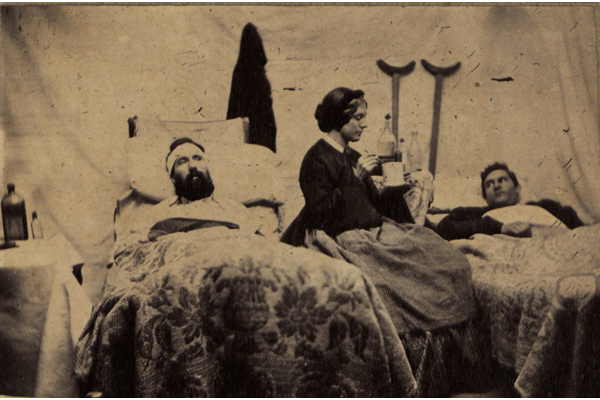
Image credit: U.S. Army Heritage and Education Center
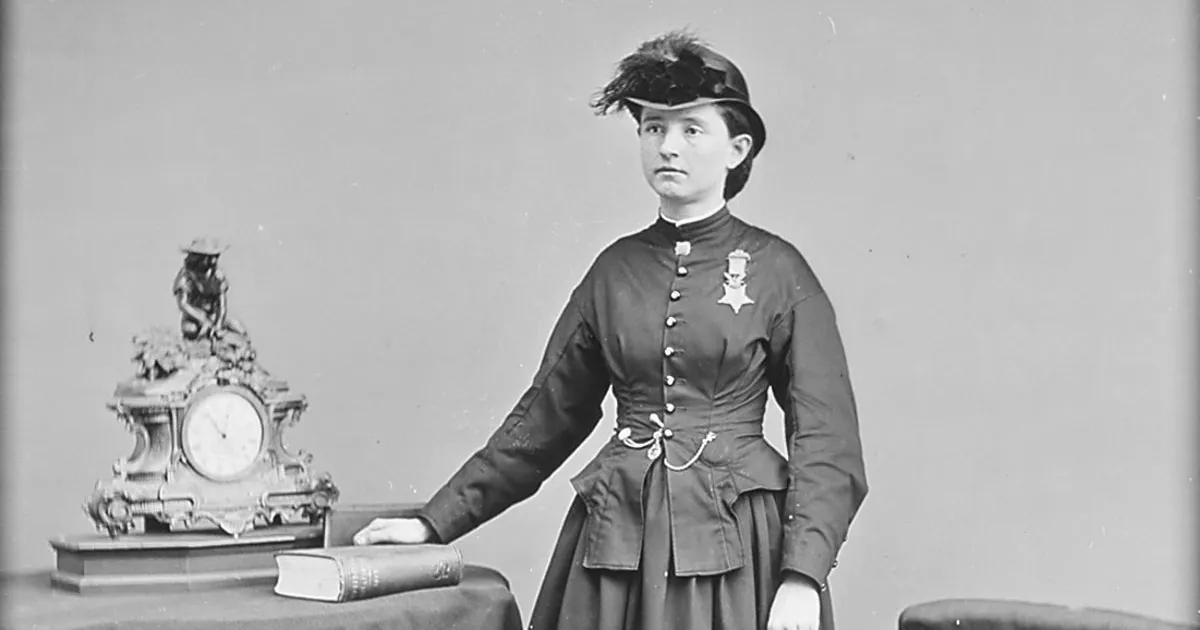
Image credit: American Battlefield Trust

Image credit: Army Nurse Corps Association
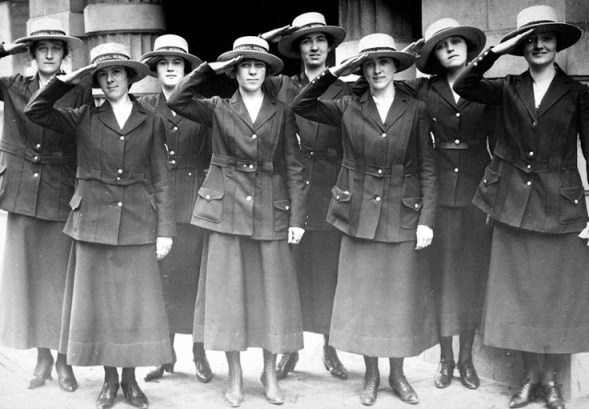
Image credit: U.S. Department of Veterans Affairs
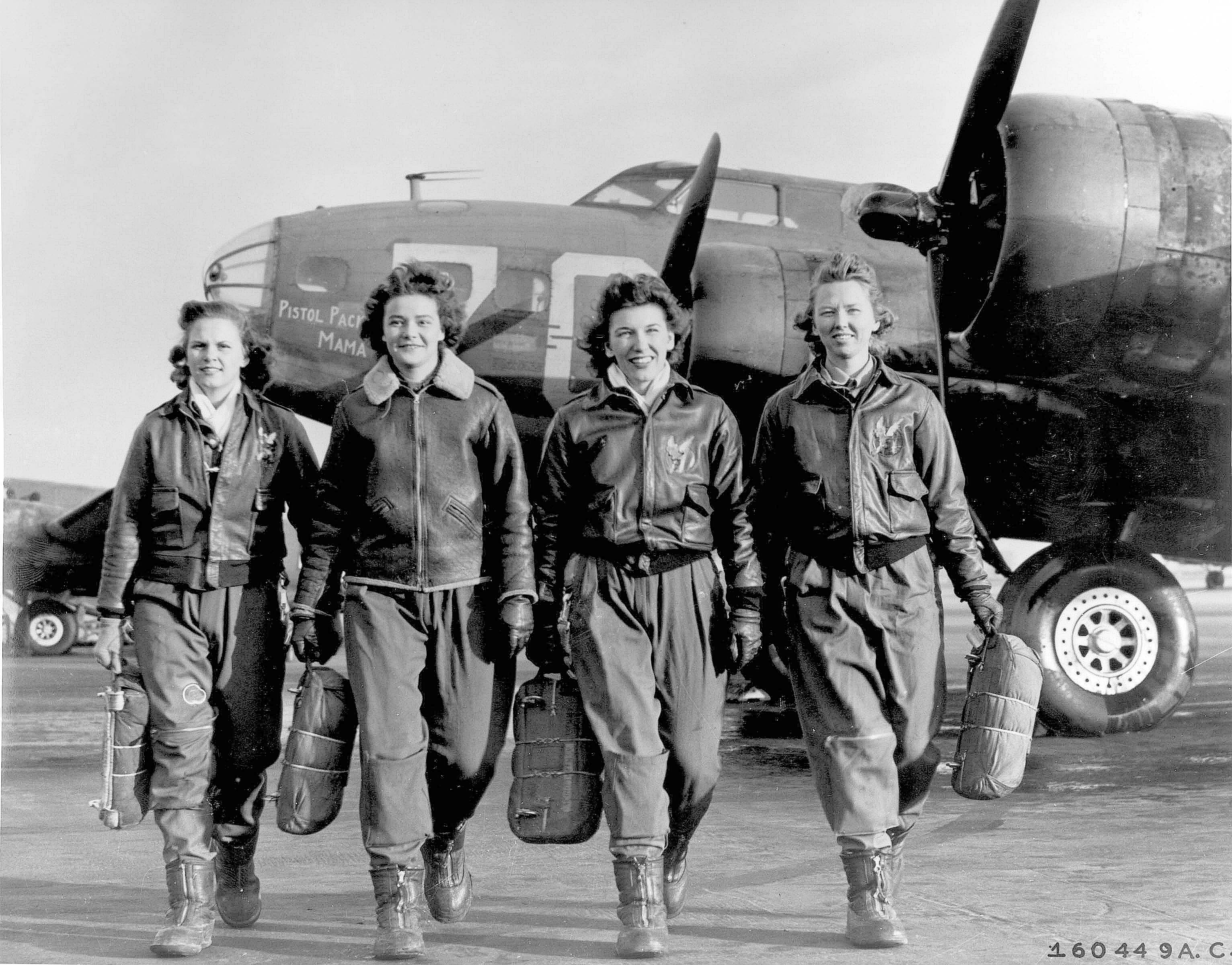
Image credit: National Park Service

Image credit: National Park Service
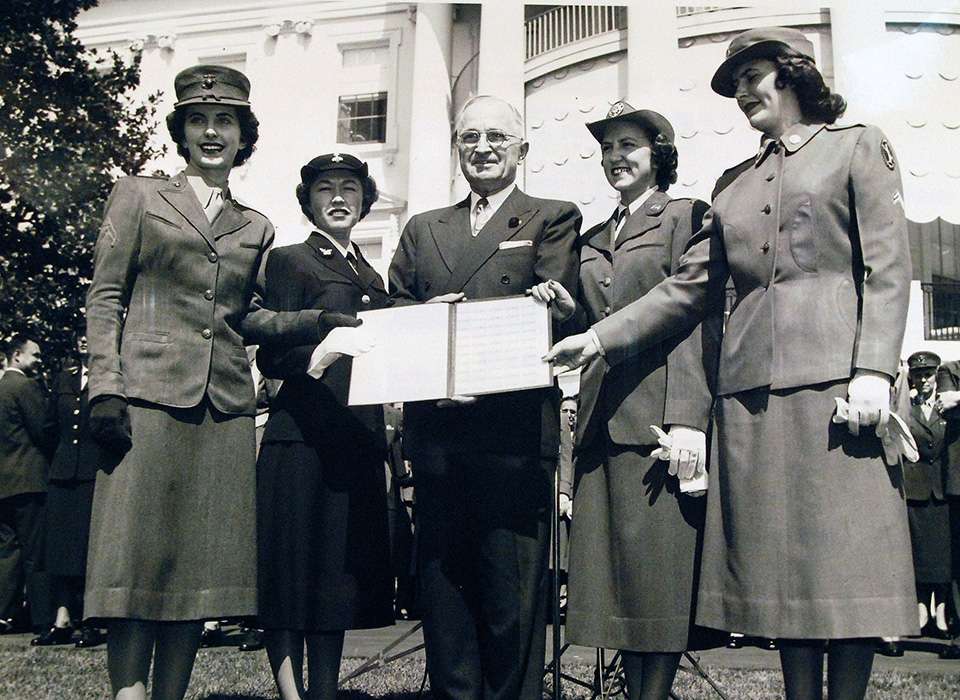
Image credit: National World War II Museum
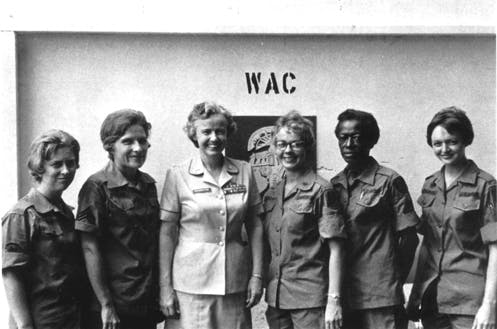
Image credit: U.S. Army Women's Museum
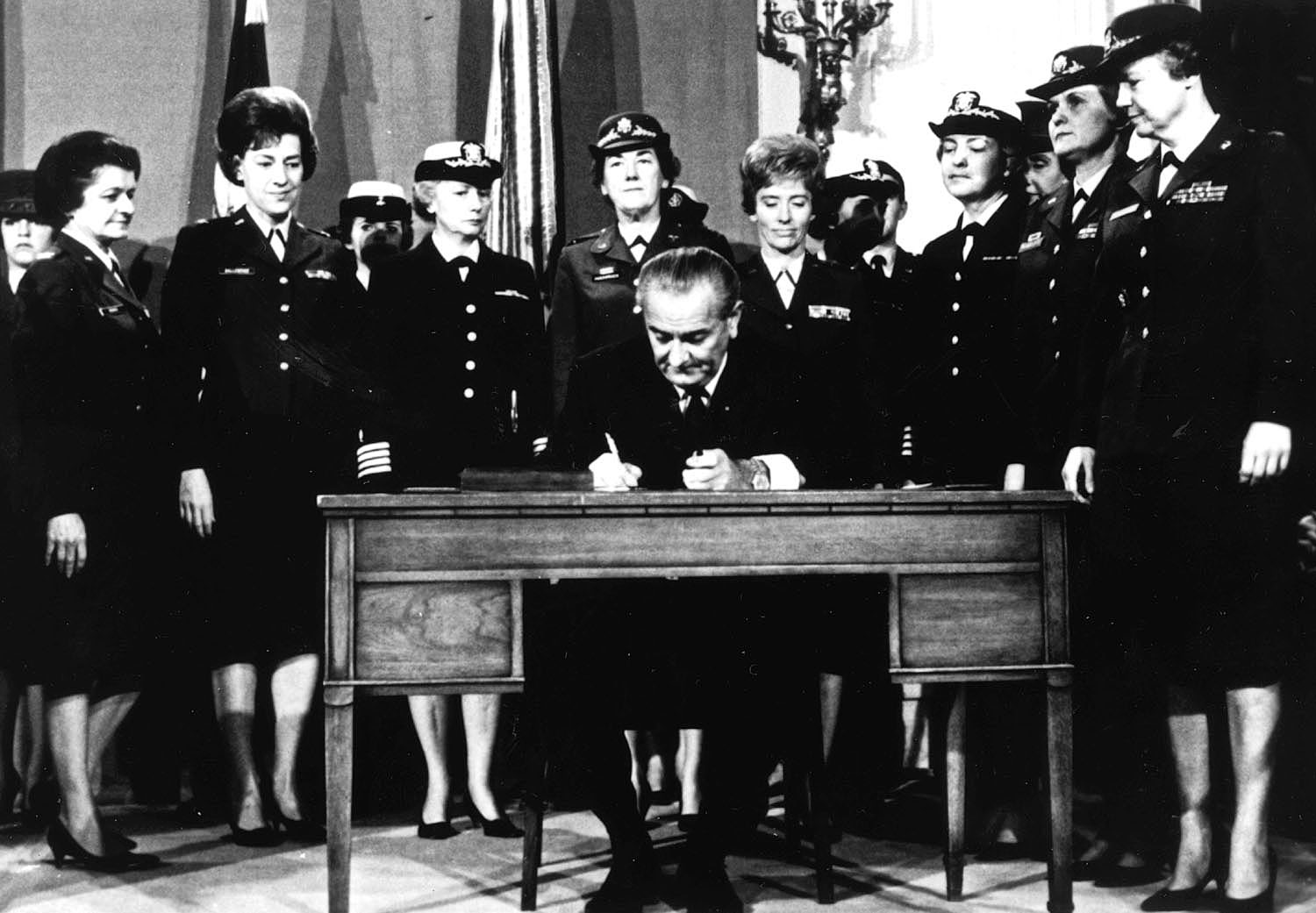
Image credit: U.S. Department of Defense

Image credit: New York Times

Image credit: Shannon Juby
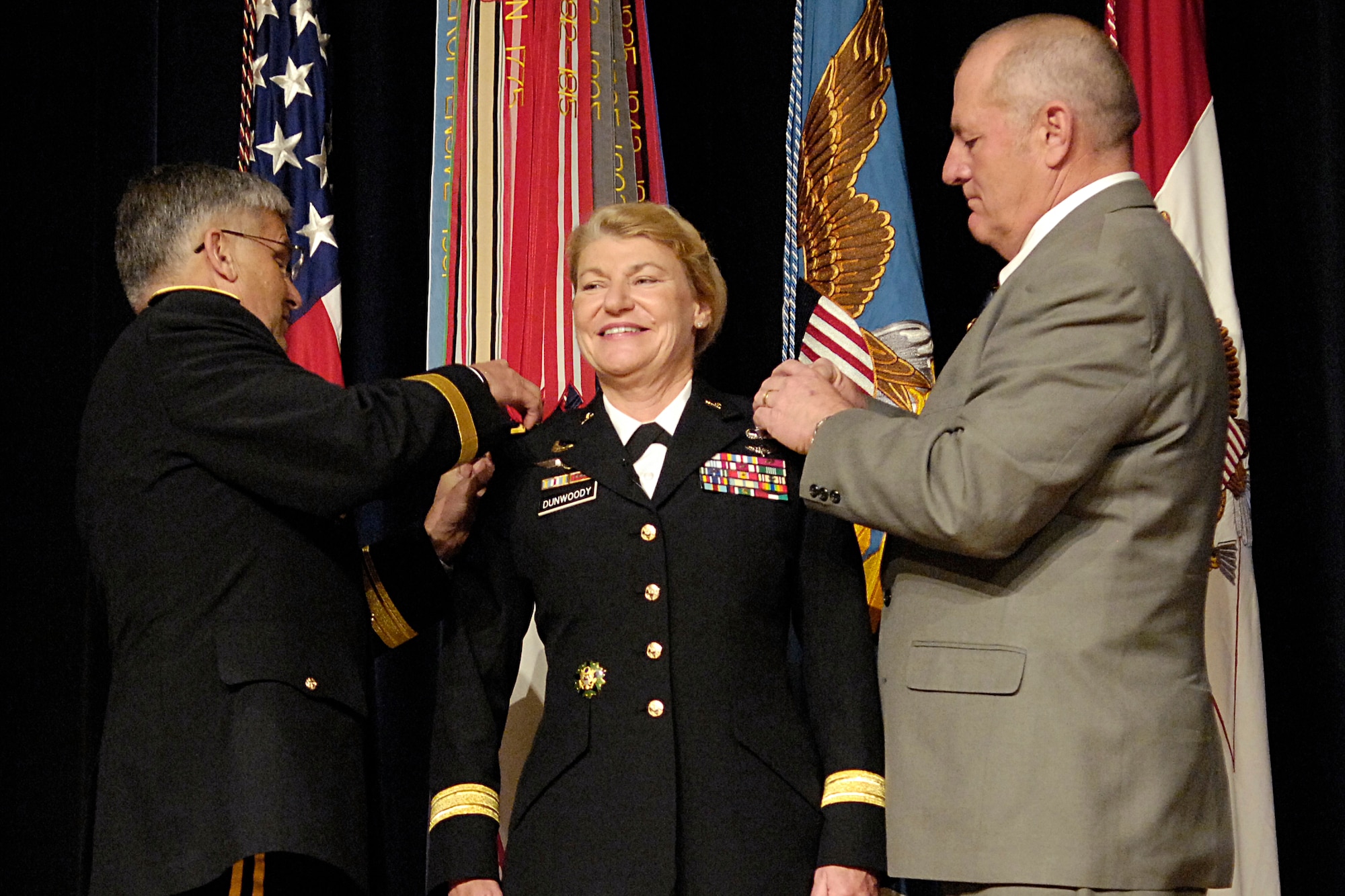
Image credit: U.S. Department of Defense
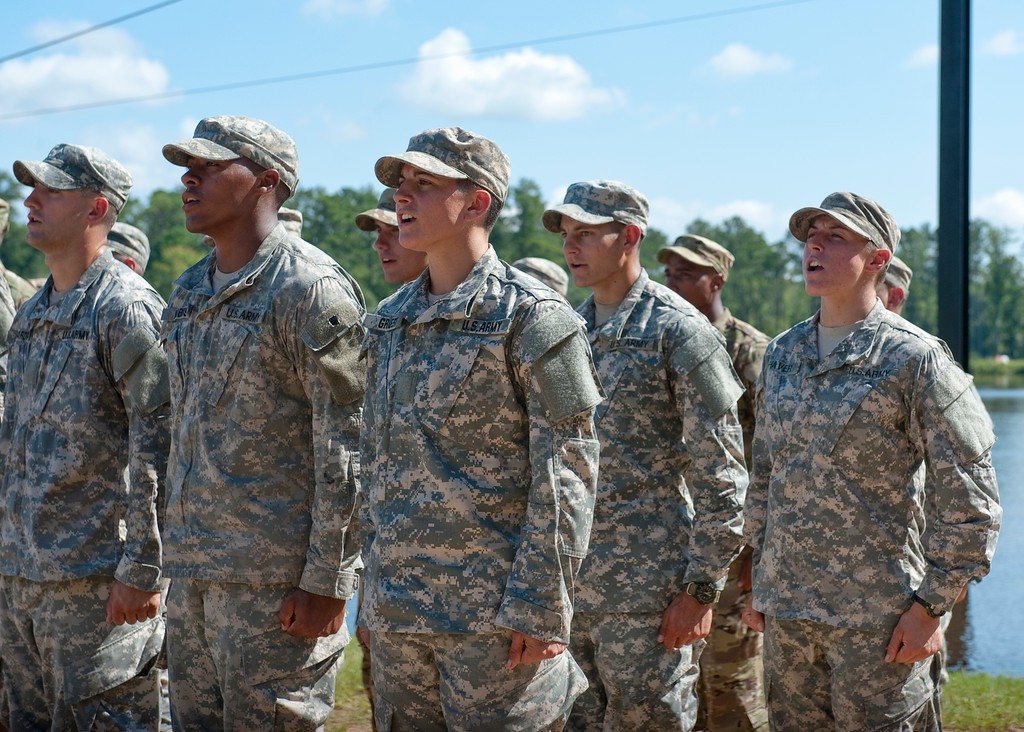
Image credit: U.S. Army

Image credit: U.S. Navy
1779: During the Revolutionary War, Margaret Corbin disguises herself as a man and accompanies her husband to the front, assisting him with canon fire. Corbin is injured in battle and becomes the first woman to be awarded a military pension.
1861: Clara Barton receives permission to travel directly onto battlefields as a nurse during the Civil War. In addition to Barton, nearly 3,000 women served as nurses for the Union Army, with Dorothea Dix appointed as superintendent of the United States Army Nurses for the Union Army.
1865: Although not technically enlisted in the military, Dr. Mary Edwards Walker becomes the first (and only) woman to be awarded the Medal of Honor for her work as a surgeon during the Civil War.
1901: The U.S. Army Nurse Corps is established, creating the first official positions for women in the military. The size of the Nurse Corps grows slowly at first, but surges during World War I.
1916: A loophole in the Naval Act of 1916 allows women to enlist in the Navy as yeoman during World War I, where they serve in many industrial and administrative reserve roles.
1939: In the lead up to World War II, the military begins recruiting women to enlist in newly formed women's auxiliary branches such as the Women's Army Corps (WACs), Women's Airforce Service Pilots (WASPs), Women Accepted for Volunteer Emergency Service (WAVEs), Marine Corps Women's Reserve, and Coast Guard Women's Reserve (SPARs).
1948: After nearly 350,000 women served in auxiliary military roles during World War II, President Harry Truman signs the Women's Armed Services Integration Act, allowing women to serve as permanent members across all military branches.
1972: Between 1967 and 1972, the roles for women in the military is expanded and they can now be promoted to general and flag ranks and command units that include men. A year later, it is also announced that pregnant women can remain in the military.
1990: During the Gulf War (1990-1991), more than 40,000 women are deployed to combat zones, although they are still limited to serving in positions that do not involve direct combat.
1994: Under the Clinton Administration, the "Risk Rule" of 1988 is rescinded, granting women the right to serve in all military positions, with the exception of direct ground combat.
2008: General Ann Dunwoody becomes to first female four-star general and first woman to lead a major Army command. Dunwoody had originally joined the Army in 1974 as a lieutenant in the Women's Army Corps.
2015: The ban on women in combat is officially lifted. Women are able to serve in any military role, including combat, given that they complete all necessary training and requirements.


Curator Grace Suhadolnik is an Information Literacy Scholar at the Syracuse University iSchool (MLIS '26).


